Crouch End bulky rubbish pickup and recycling guide
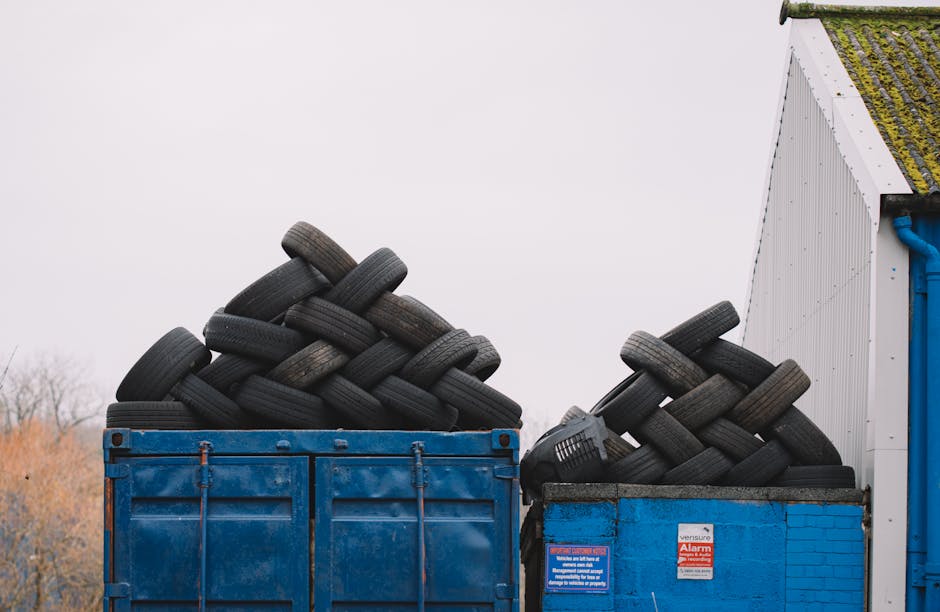
If you live in Crouch End, bulky waste has a way of turning up at the worst possible moment: a sofa that will not fit through the hallway, a wardrobe after a flat move, a broken treadmill gathering dust, or a pile of garden trimmings that has quietly grown teeth. This Crouch End bulky rubbish pickup and recycling guide is here to make the whole thing feel less annoying and a lot more manageable. You will find practical steps, recycling pointers, common mistakes to avoid, and a clear way to decide whether you need a one-off pickup, a full clearance, or a simple trip through your local reuse and recycling options.
Let's face it, bulky rubbish is rarely just "rubbish". Some of it can be reused, some can be recycled, and some needs careful handling because of weight, material type, or disposal rules. The trick is knowing which is which before you haul a heavy item down the stairs and regret every life choice by the third step.
To help you get it right, this guide covers the how, the why, and the practical bits people usually wish they had checked first.
- Why bulky rubbish pickup and recycling matters in Crouch End
- How the pickup process works
- Main benefits and practical advantages
- Who this is for
- Step-by-step guidance
- Expert tips for better results
- Common mistakes to avoid
- Tools, resources and recommendations
- Law, compliance, standards and best practice
- Options and comparison table
- Real-world example
- Practical checklist
- Frequently asked questions
Why Crouch End bulky rubbish pickup and recycling guide Matters
Bulky waste is a practical problem, but it is also a space problem, a safety problem, and sometimes a compliance problem. In a busy North London area like Crouch End, where homes can be compact, stairways narrow, and parking tight, even one large item can make a room feel crowded. A recycling-minded pickup approach helps you clear space without automatically sending everything to disposal.
That matters for a few reasons. First, it keeps your home workable. A spare room with an old mattress and broken shelving quickly becomes dead space. Second, it reduces unnecessary waste. Some bulky items have recyclable parts, and some can be repaired or reused. Third, it helps you avoid the awkward bit: lifting, moving, or dumping heavy items badly. Nobody wants a pulled back because a sofa was "only across the landing".
There is also a neighbourhood side to it. Crouch End has plenty of residential streets where poorly placed waste can block pavements, create trip hazards, or look frankly dreadful outside a house or block. A clean, planned pickup is just better for everyone. You will notice the difference straight away; the place feels lighter.
Expert summary: The best bulky rubbish plan is usually the simplest one: separate what can be reused, identify recyclable materials, remove anything hazardous, and arrange collection only once you know the item is ready. That small bit of sorting saves time, money, and hassle.
How Crouch End bulky rubbish pickup and recycling guide Works
In practical terms, bulky rubbish pickup means arranging for large or awkward items to be taken away without you having to transport them yourself. The service may involve collection from the front of the property, from inside the property, or from a location such as a garage, shed, loft, or office space, depending on the provider and the access conditions.
The recycling part is where the quality of the service really shows. A good provider will not treat every bulky item as a single lump of waste. They will look at the item type, separate reusable pieces where possible, and sort materials such as wood, metal, plastic, fabric, and electrical components if the item allows it. That does not mean every item can be recycled in full. It means the process should aim for the best practical recovery route.
For example, a damaged sofa might be routed partly for recovery of materials, while a wooden wardrobe could be broken down into reusable timber or wood waste streams. A fridge or freezer is different again because it may contain components that need specialist handling. This is where the right collection method matters. The item itself determines the route, not just its size.
In many real situations, the process is straightforward:
- You identify the items you want removed.
- You check whether they can be reused, repaired, or recycled.
- You separate anything that is hazardous, confidential, or restricted.
- You arrange the collection and confirm access details.
- The items are removed, sorted, and taken for the most suitable disposal or recovery route.
Simple enough on paper. In real life, the stairs are often narrower than you remember and the item is heavier than it looked yesterday. Funny how that works.
Key Benefits and Practical Advantages
The biggest benefit is obvious: you get the space back. But there are several quieter advantages that people often miss until after the job is done.
- Less physical strain: Heavy lifting is one of the easiest ways to turn a small clear-out into a week of back pain.
- Better recycling outcomes: Sorting items properly gives them a better chance of being reused or broken down into recyclable materials.
- Cleaner rooms and safer access: Hallways, stairwells, and storage areas become easier to use again.
- Less stress before moving or renovating: If you are decorating, letting out a flat, or moving house, bulky clutter can slow everything down.
- More predictable planning: A proper pickup is usually easier to organise than trying to improvise disposal at the last minute.
There is also a financial angle. Truth be told, people often waste money by paying for the wrong solution. For example, a single bulky item might not need a huge clearance job, while a full flat clearance could be more efficient than paying for several separate removals. Matching the job to the waste saves money and avoids over-ordering the wrong type of service.
Another practical upside is speed. When the right collection plan is used, a room can go from cramped to usable in a matter of hours. That shift is not just cosmetic. It changes how the space works.
Who This Is For and When It Makes Sense
This guide is for anyone in Crouch End dealing with large items they cannot easily move, recycle, or dispose of on their own. That includes homeowners, tenants, landlords, letting agents, businesses, and anyone managing a property refresh or end-of-tenancy clean-up.
You may need bulky rubbish pickup if you are dealing with:
- old sofas, armchairs, or mattresses
- wardrobes, bookshelves, desks, and tables
- broken white goods or appliances
- garage clutter, tool storage, and mixed household junk
- garden waste that has become too much for standard bins
- office furniture or equipment after a move or refurbishment
- flat clearance after a tenancy change or downsizing
It also makes sense if the waste is awkward rather than simply large. A pile of mixed items can be harder to manage than one big object. For example, a stack of broken shelving, loose fixings, a damaged chair, and a bag of old cables may take more planning than a single wardrobe. That is the kind of detail that catches people out.
If you are thinking, "Could I handle this myself?", the honest answer is maybe, but only if the item is safe to move, you have the right vehicle, and the recycling destination will accept it. In dense residential streets with limited parking, those assumptions are often a bit optimistic. Not impossible. Just optimistic.
Step-by-Step Guidance
Here is a practical way to handle bulky rubbish pickup and recycling without overcomplicating it.
1. Make a clear item list
Walk through the property and write down every item you want removed. Be specific. "Old furniture" is too broad. "1 sofa, 1 coffee table, 1 broken chest of drawers, 2 office chairs" is much better. The more precise you are, the easier it is to plan the collection and determine what may be recycled or reused.
2. Separate reusable items from true waste
Some items may still have life left in them. A sturdy table, a clean chair, or a functioning appliance may be better suited to reuse than disposal. Reuse is not always possible, but it is worth checking before you book anything. One person's clutter is another person's nearly-new bargain, as they say.
3. Check for hazardous or specialist materials
Not everything can be mixed into a standard bulky collection. Items that may need extra care include fridges, freezers, electrical equipment, paints, chemicals, batteries, and anything contaminated by mould, sharps, or biological waste. If an item feels unusual, treat it as a special case until confirmed otherwise.
4. Measure access points
Measure doorways, stairwells, lift dimensions, and tight corners where needed. A three-seater sofa that looked fine in the lounge can become a completely different creature when it meets a narrow turn. Access details matter more than people expect, especially in older Crouch End properties.
5. Group items by material and priority
Where possible, group metal, wood, fabric, and electrical items separately. Even if they are collected together, pre-sorting helps the recovery process later. Prioritise the heaviest or most awkward items first so the removal team can work efficiently.
6. Confirm whether items need to be dismantled
Flat-pack furniture, beds, shelving, and large office units often move better in parts. Do not dismantle something unless you are sure you can do it safely and keep all fixings together. A mysterious bag of screws usually appears later, when nobody wants it.
7. Book the collection with clear instructions
When you arrange the pickup, provide access notes, item details, parking constraints, floor level, and anything else that may affect the job. This reduces delays and helps avoid surprise charges or failed collections.
8. Keep the path clear on the day
Move smaller items out of the way, protect floors if needed, and ensure doors can open fully. A five-minute tidy-up before the team arrives can make the whole job smoother. Early morning pickups are especially easier when the hallway is not full of shoes, bikes, and random umbrella stands.
Expert Tips for Better Results
A good bulky rubbish pickup is usually won or lost in the planning. Here are the small things that make a surprising difference.
- Photograph everything before booking. Pictures help clarify item size, condition, and access. If something has water damage, missing parts, or a hidden frame, a photo makes that obvious.
- Label mixed loads. If you are clearing several rooms, a few handwritten notes on items or bags can stop confusion later.
- Keep like with like. A separate pile for metal, another for furniture, another for electricals. It sounds basic, but basic works.
- Think about timing. Book when there is enough daylight to see what is being removed, especially in winter when it gets dark quickly.
- Leave a bit of room. Do not stack every item in the tightest corner of the house. Accessibility saves time and reduces damage.
- Ask about recycling routes early. If an item has recyclable parts, it is better to know that before collection day than afterwards.
One subtle tip: if you are clearing a room, start with the items that block movement. That immediately improves access and gives you more mental space. There is something oddly motivating about being able to walk from one side of the room to the other without sidestepping a pile of stuff.
And if you are unsure whether an item is worth keeping, ask yourself whether you have used it in the last year and whether you would buy it again today. That little question is often enough.
Common Mistakes to Avoid
People usually do not get bulky waste wrong because they are careless. More often, they rush. A bit of planning avoids most headaches.
- Assuming everything can go together. Fridges, electrical items, and general furniture may need different handling.
- Leaving access too late to check. A sofa that cannot fit down the stairs is a problem, not a surprise.
- Mixing recyclable materials with contamination. Wet cardboard, food waste, or paint residue can ruin otherwise recoverable material.
- Forgetting to empty furniture. Drawers, cupboards, and shelves should be checked before collection. Old paperwork has a habit of hiding in there.
- Not planning for heavy lifting. If an item needs two people, do not pretend it needs one.
- Booking the wrong size of service. A small pickup may be fine for one item; a full house or office clear-out needs something else entirely.
Another common issue is underestimating the mess hidden inside bulky items. Mattresses, wardrobes, and storage units can contain dust, old fixings, and forgotten clutter. Nothing dramatic, just enough to make the job slower than expected.
Tools, Resources and Recommendations
You do not need a van full of specialist kit to get started, but a few simple tools help a lot.
| Tool or resource | Why it helps | Best use |
|---|---|---|
| Measuring tape | Checks doorways, stairs, and item dimensions | Before you book or dismantle anything |
| Gloves | Protects hands from splinters, dust, and sharp edges | Handling furniture, wood, or garage items |
| Dust sheets or old blankets | Reduces scuffs and helps protect floors | Moving heavy items through hallways |
| Marker pen and labels | Keeps mixed items organised | Clear-outs with multiple rooms or categories |
| Phone camera | Creates a visual record for quoting or planning | Before the collection is booked |
| Basic screwdriver or Allen key set | Useful for safe dismantling where appropriate | Flat-pack furniture and beds |
For related reading on specific types of waste, you may also find these pages useful: waste collection, waste removal, and furniture disposal. If your clear-out includes larger household items, house clearance and home clearance may also be relevant. For mixed loads, rubbish clearance is often the broadest fit.
If the job involves a garage, outside storage, or garden overgrowth, there are specialist pages that may help you narrow things down: garage clearance and garden clearance. For office moves or commercial waste, take a look at office clearance and business waste.
Law, Compliance, Standards, or Best Practice
For bulky rubbish in the UK, the main point is simple: waste should be handled responsibly and passed to someone who is authorised and competent to take it. You do not need to become an expert in environmental regulation to do things properly, but you do need to avoid informal dumping, unlicensed operators, and careless disposal.
Best practice usually includes:
- using a provider that can explain where the waste goes
- separating items that require special handling
- keeping records or confirmation of collection where appropriate
- avoiding items that are unsafe to move without precautions
- making sure recyclable material is not contaminated unnecessarily
If you are a landlord, managing agent, or business owner, the expectations are a bit stricter in practice. You need to think about duty of care, tenant handovers, and avoiding fly-tipping risks. That is not just admin for the sake of it. It protects you from the kind of headache that starts small and then somehow becomes a full afternoon.
For households, the same principle applies in plain English: if the item needs special handling, do not guess. Ask first. A short check before collection is far easier than solving a disposal problem after the fact.
Options, Methods, or Comparison Table
There is more than one way to handle bulky waste, and the best choice depends on item size, urgency, access, and how much sorting you want to do yourself.
| Option | Best for | Pros | Limitations |
|---|---|---|---|
| Self-moving to a disposal point | Small numbers of manageable items | Can be cheap if you already have transport | Time-consuming, physically demanding, not ideal for large furniture |
| Reuse or donation route | Good-quality items still in usable condition | Extends item life, reduces waste | Not suitable for damaged, dirty, or unsafe items |
| One-off bulky collection | Single items or small mixed loads | Convenient, usually quick | May not suit very large clear-outs |
| Full clearance service | Homes, flats, garages, offices, or major clean-outs | Efficient for bigger jobs, less stress | Can be more than you need for just one item |
As a rule of thumb, if you have only one or two bulky items and good access, a focused pickup makes sense. If you are clearing several rooms, a garage, or a flat after tenants move out, a broader clearance option is usually more sensible. You save time and usually get a cleaner finish too.
For local readers comparing service types, our rubbish collection and rubbish removal pages can help you decide which route fits a particular load better.
Case Study or Real-World Example
A typical Crouch End scenario goes like this. A couple is moving out of a two-bedroom flat near a busy high street. They have a sofa, a dismantled bed frame, an old chest of drawers, and a few mixed bags from the loft. At first glance it looks simple. Then the details start appearing: the sofa is awkward on the stairs, the bed frame has loose fittings, and the drawers are heavier than expected because they are full of old books, cables, and, somehow, three extension leads.
Instead of trying to do everything in one rushed lift, they sort the items first. The bed frame is dismantled, the contents of the drawers are emptied, and the reusable bits are separated from the damaged ones. The collection is arranged with the access information clearly explained, which means no one is scrambling when the team arrives.
The result is better than just "everything gone". The room becomes usable again, the load is handled more efficiently, and the items with recycling potential are not treated like one giant mixed bag. That is the difference between a quick fix and a proper solution. Small effort upfront, much smoother outcome.
Another common real-world example is after a shed or garage clean-out. The temptation is to drag everything out to the pavement and hope for the best. Better to sort metal, wood, garden debris, and broken household items separately before pickup. It is quicker for the collection, cleaner for the street, and much less stressful when you realise the old lawnmower was hiding a rusty spade underneath it. Of course it was.
Practical Checklist
Use this checklist before your bulky rubbish pickup or recycling collection in Crouch End.
- List every item that needs removing.
- Check whether anything can be reused or repaired.
- Separate electricals, sharp items, and specialist waste.
- Measure doors, hallways, stairs, and lift access if relevant.
- Confirm whether items need dismantling first.
- Remove loose contents from drawers, cupboards, and storage boxes.
- Group items by material where possible.
- Take photos if the load is mixed or unusually large.
- Share access notes and parking limitations in advance.
- Clear a route from the item location to the exit.
- Protect floors and walls if needed.
- Keep children, pets, and bystanders away during removal.
- Ask for confirmation of the collection plan and any special handling needed.
If you can tick most of those off, you are in good shape. If not, pause for ten minutes and sort the loose ends now. It will save you a lot more than ten minutes later.
Conclusion
Bulky rubbish does not need to become a weekend-long headache. With a little planning, the right sorting habits, and a clear idea of what can be recycled, reused, or safely removed, you can turn a messy job into a straightforward one. That is really what a good Crouch End bulky rubbish pickup and recycling guide is for: not just getting rid of stuff, but doing it in a cleaner, safer, more sensible way.
Whether you are clearing a single sofa, emptying a garage, or preparing a whole property for change, the best results come from early decisions and simple organisation. Keep the access clear, separate the items properly, and choose the collection method that suits the real job in front of you. It is not glamorous, but it works.
Get a free quote today and see how much you can save.
And once the clutter is gone, you really do feel it in the room - more light, more space, less noise in the back of your mind. That's a good feeling, honestly.
Frequently Asked Questions
What counts as bulky rubbish in Crouch End?
Bulky rubbish usually means items that are too large, heavy, or awkward for normal household bins. That often includes furniture, mattresses, appliances, and large mixed household items.
Can bulky rubbish be recycled?
Sometimes, yes. Many bulky items contain recyclable materials such as metal, wood, plastic, or fabric. The exact route depends on the item type, its condition, and whether it can be separated safely.
What should I do with a sofa or mattress?
Check whether it is reusable first. If not, it may need a specialist bulky collection because of its size and construction. Mattresses and sofas can be difficult to move and are often better handled as part of a managed pickup.
Do I need to dismantle furniture before collection?
Not always, but dismantling can help if access is tight or the item is especially large. Only dismantle what you can do safely, and keep fixings together in a labelled bag.
Can I put old electrical items in with furniture?
Usually not without checking first. Electricals often need separate handling because of wiring, components, and recycling requirements. It is better to separate them before the collection day.
What if I live in a flat with narrow stairs?
That is common in Crouch End, and it just means access details matter more. Measure the stairs and doorways, and explain any tight turns or lift limits when arranging the pickup.
Is it cheaper to clear everything at once?
Often, yes, if you have multiple bulky items or a bigger clear-out. A full clearance can be more efficient than booking several smaller removals, but it depends on the load and access.
How do I know if something can be reused?
Ask whether it is structurally sound, clean enough, and still usable. If the answer is yes, it may be suitable for reuse rather than disposal. If it is broken, unsafe, or heavily worn, recycling or disposal is more likely.
What should I not mix with bulky waste?
Do not mix hazardous materials, liquids, batteries, confidential paperwork, or contaminated items into a general bulky load unless you have confirmed the right handling route. Mixing the wrong materials can create problems later.
How far in advance should I plan a pickup?
As early as you reasonably can, especially if the items are large or the access is awkward. A bit of notice makes it easier to plan the route, confirm the load, and avoid last-minute stress.
Can offices and shops in Crouch End use the same kind of service?
Yes, but commercial loads often need more structured planning. Office furniture, stock, archive waste, and mixed business rubbish can require a tailored pickup or clearance approach.
What is the best first step if I am overwhelmed by clutter?
Start with one room or one category of item, not the whole property. Build momentum with the easiest wins first. Once the visible clutter starts moving, the rest usually feels less daunting.